Birds Are Living Dinosaurs: The Evolutionary Story That Never Ended
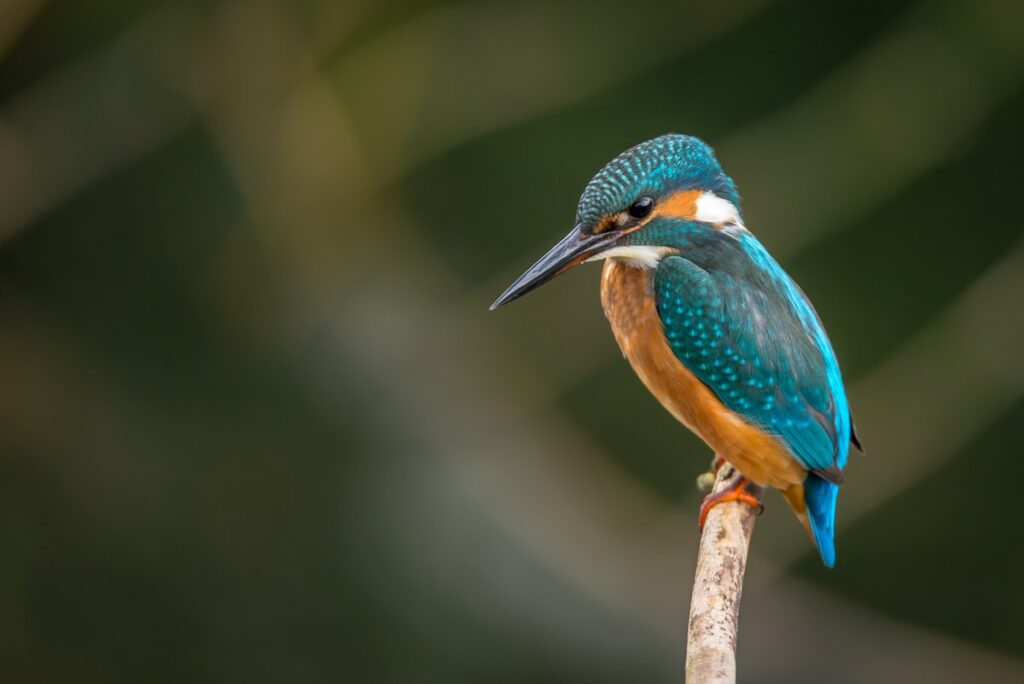
When a sparrow lands on a garden fence or a hawk circles overhead, it is easy to see a modern bird as something entirely separate from the dinosaurs that once ruled the planet. Paleontology tells a different story. Birds are not merely descendants of dinosaurs in a distant, vague sense: they are the surviving branch of the dinosaur family tree.
The dinosaur lineage that kept changing
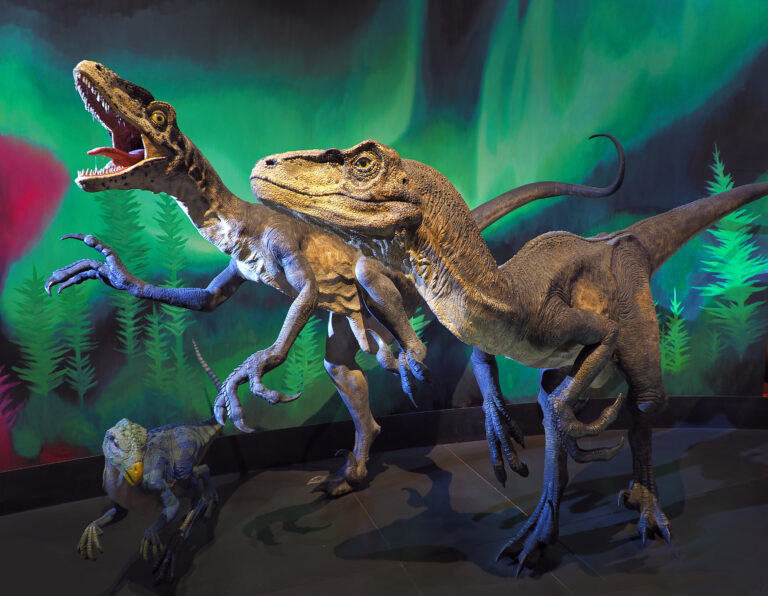
The dinosaurs that eventually produced birds belonged to the theropods, a group of mostly meat-eating dinosaurs that included famous predators such as Velociraptor and Tyrannosaurus rex. Within this broad lineage, some smaller theropods developed lightweight skeletons, specialized wrists, long balancing tails, and feathers.
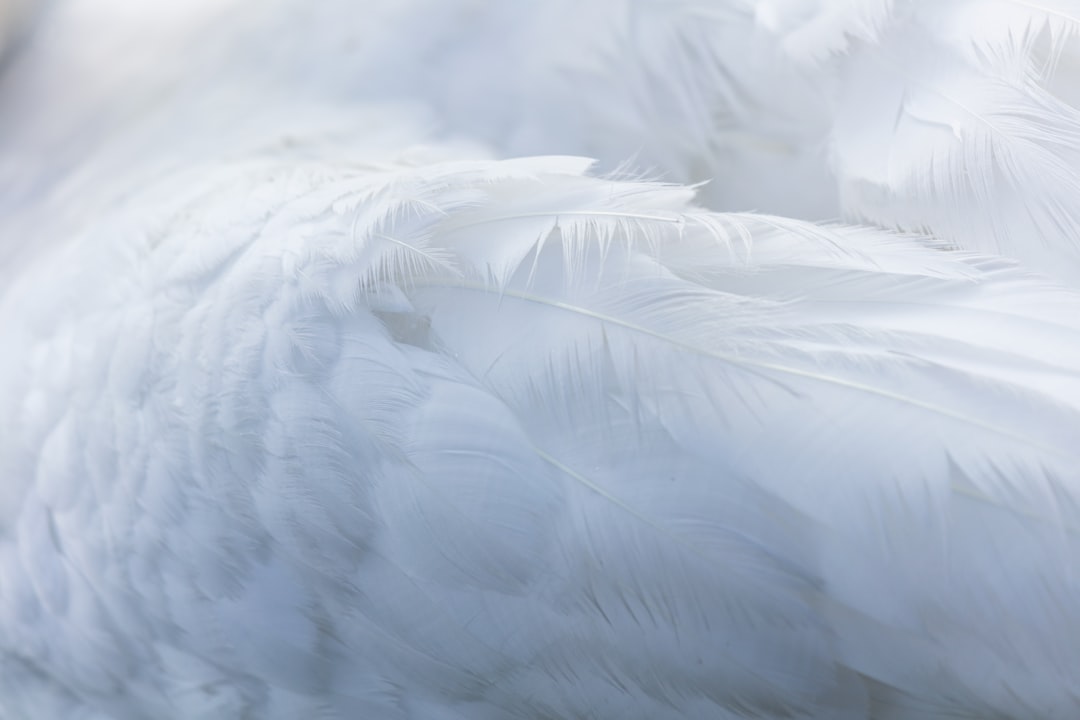
Those features did not appear all at once, and they did not evolve solely for flight. Feathers probably began as simple, downy coverings that helped with insulation, display, camouflage, or brooding eggs. Over many generations, feathers became more complex. In some animals, they eventually formed surfaces capable of catching air and assisting controlled movement.
Why feathers came before flight
The traditional image of a feather is a flight tool, but feathers have a much older and more versatile history. Fossils of non-flying dinosaurs show that feather-like structures existed before true powered flight. A covering that first helped a small dinosaur stay warm could later support courtship displays or make a leap between branches more stable.
Natural selection works with existing structures. It does not need to invent a wing from nothing. A feathered forelimb that offered a small advantage during a jump could be refined gradually, while changes to the shoulders, chest muscles, balance, and bones made increasingly active flight possible.
Archaeopteryx and the mosaic of early birds
Archaeopteryx is one of the clearest examples of the transition between non-avian dinosaurs and early birds. It possessed feathers and wings, yet it also retained several dinosaur-like traits, including teeth, clawed fingers, and a long bony tail. Its anatomy demonstrates that major evolutionary changes usually unfold as mosaics: different features appear at different times rather than in a single dramatic leap.
Early bird evolution was not a straight line leading to one predetermined modern form. It was a branching experiment involving many species and body plans. Some lineages developed powerful flight, while others occupied forests, shorelines, or open habitats. Many disappeared, but the overall bird lineage continued to diversify.
The impact that changed the rules
About 66 million years ago, an asteroid struck near Chicxulub, in what is now the Yucatán Peninsula. The impact triggered fires, darkness, cooling, acid rain, and the collapse of food webs around the world. Non-avian dinosaurs, along with many marine reptiles and other organisms, vanished during the mass extinction at the end of the Cretaceous Period.
Yet some small feathered dinosaurs survived. Their survival was probably helped by a combination of traits: relatively small bodies, flexible diets, the ability to shelter in varied environments, and in some cases access to seeds or other foods that remained available after vegetation collapsed. Survival was not guaranteed, and the surviving birds represented only a fraction of the diversity that existed before the impact.
From survivors to the birds of today
After the extinction, the surviving bird lineages occupied ecological spaces that had been left open. Over millions of years, they evolved into swimmers, runners, predators, nectar feeders, scavengers, and long-distance migrants. Today, more than 10,000 bird species live across nearly every major habitat on Earth.
The connection to dinosaurs can also be seen in living anatomy and behavior. Birds have hollow but strong bones, a wishbone, an arrangement of limbs inherited from theropod ancestors, and eggshells that reflect their deep evolutionary history. Their scales, claws, nesting habits, and complex displays add further reminders that the boundary between “bird” and “dinosaur” is a matter of classification, not a clean break in nature.
A living reminder of deep time
The next time a bird crosses your path, consider what it represents. Its existence is evidence that evolution can preserve a lineage through catastrophe while transforming it almost beyond recognition. The dinosaurs did not all disappear when the asteroid struck. One branch endured, adapted, and spread into the skies.
Modern birds are therefore more than the heirs of a lost world. They are living dinosaurs: the present-day result of a history that began with feathered theropods, passed through extinction, and continues every time a nest is built, a wing beats, or a flock takes flight.
We aim to distinguish established evidence from interpretation, identify uncertainty where it matters, and revise articles when stronger evidence changes the picture. If you spot an error or have a better source, contact support@walkingmoda.com.